
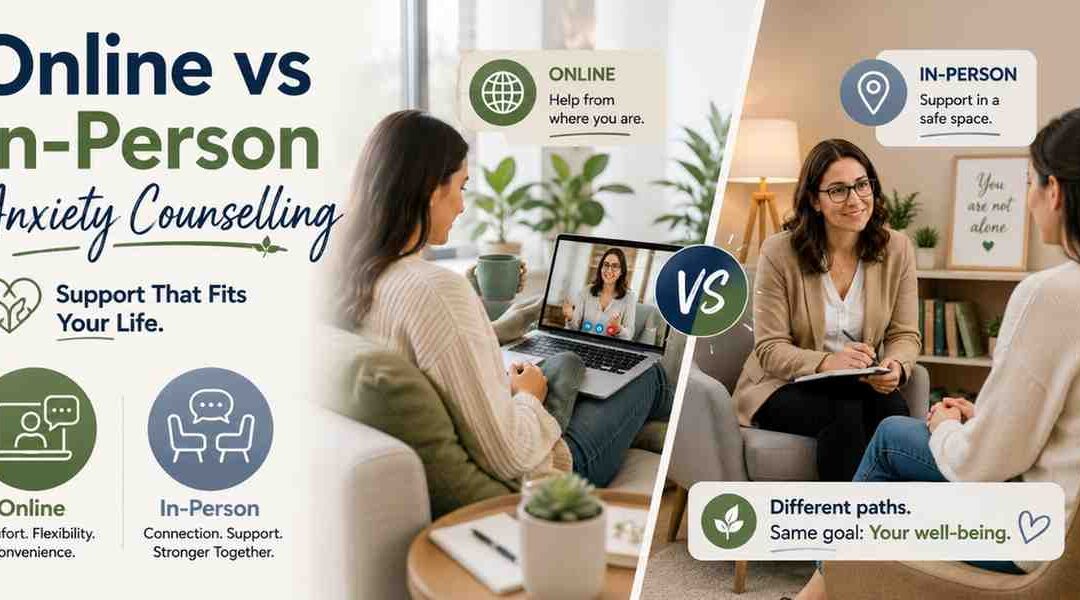
Online vs In-Person Anxiety Counselling
People seeking mental health support often face a difficult choice between virtual counselling and face-to-face sessions. Both approaches offer valuable benefits, yet each creates a different therapeutic experience. Some individuals prefer the convenience and flexibility of digital appointments, while others value the structure and personal connection found in a clinical setting. Selecting the right format depends on comfort, communication style, treatment goals, scheduling needs, and emotional preferences. A careful comparison helps individuals choose care that supports long-term progress and emotional stability.
Accessibility Across Ontario
Mental health care access varies significantly across cities, suburbs, and rural communities. Consequently, therapy format can affect how quickly a person receives support.
Online Therapy Expands Reach
Virtual counselling allows individuals to connect with licensed professionals without travelling long distances. Residents in remote regions often face limited clinic availability, lengthy wait times, or transportation barriers. Online appointments reduce these obstacles and provide more consistent access to treatment.
Digital sessions also support people with demanding work schedules, parenting responsibilities, mobility limitations, or chronic health concerns. Moreover, clients can attend appointments from home, reducing time spent commuting or arranging childcare.
Several additional accessibility advantages include:
- Flexible appointment scheduling
- Reduced transportation expenses
- Easier continuity during travel
- Access to specialists outside local areas
- Greater availability during evening hours
Because of these benefits, online therapy continues attracting people who value convenience and flexibility.
In-Person Therapy Supports Structured Care
Face-to-face counselling creates a stable routine that many individuals find comforting. Travelling to a clinic establishes clear boundaries between daily responsibilities and therapeutic work. Furthermore, physical office environments often encourage focus and emotional openness.
Some people struggle to maintain privacy at home, particularly within shared living situations. In-person sessions provide a confidential setting free from household interruptions, background noise, or internet disruptions. Consequently, clients may feel more emotionally present during treatment.
Traditional therapy settings may also benefit individuals who prefer direct human interaction and nonverbal communication. Observing posture, eye contact, and subtle body language can strengthen the emotional connection between therapist and client.
Comfort and Emotional Connection
Comfort plays a major role in therapy effectiveness. However, comfort means different things to different individuals.
Virtual Sessions Reduce Pressure
Many clients feel calmer speaking from familiar surroundings. Sitting at home with personal comforts nearby may reduce anxiety before difficult conversations. Consequently, some individuals open up more quickly during online appointments.
Virtual therapy also offers flexibility regarding communication style. Certain platforms include messaging options, written exercises, or digital journaling tools that support emotional expression.
People managing social anxiety sometimes prefer online interaction because physical distance lowers emotional pressure. Moreover, avoiding crowded waiting rooms may help individuals attend sessions more consistently.
Additional emotional benefits may include:
- Greater sense of control
- Reduced social stress
- Easier transition into therapy
- Comfortable physical environment
- Increased scheduling flexibility
For individuals hesitant about counselling, virtual appointments may feel less intimidating during the early stages of treatment.
In-Person Sessions Build Presence
Face-to-face interaction often creates a stronger sense of personal engagement. Physical presence allows therapists to notice subtle emotional shifts that may not appear through a screen. In contrast, virtual communication can occasionally feel less personal during emotionally intense discussions.
Many clients value the ritual associated with attending a clinic. Walking into a calm therapeutic space may signal emotional readiness and encourage deeper concentration. Furthermore, uninterrupted eye contact and body language can strengthen trust over time.
Some therapeutic methods also work more effectively within shared physical space. Techniques involving grounding exercises, calming breathing, or sensory awareness may feel more natural during in-person sessions.
As therapeutic relationships develop, many individuals appreciate the reassurance of direct human presence during vulnerable conversations.
Technology and Technical Challenges
Technology shapes the quality of virtual counselling experiences. Therefore, reliable equipment and internet access remain important considerations.
Benefits of Digital Convenience
Online therapy platforms simplify scheduling, communication, and appointment management. Clients can receive reminders, complete forms electronically, and join sessions with minimal preparation. Consequently, administrative tasks often become easier.
Digital platforms may also support continuity during illness, severe weather, or relocation. Instead of cancelling appointments, clients can maintain treatment through secure video sessions.
Additional practical advantages include:
- Faster scheduling adjustments
- Electronic payment systems
- Digital resource sharing
- Secure messaging features
- Easier appointment tracking
These conveniences often support consistent attendance and ongoing therapeutic momentum.
Limitations of Virtual Communication
Despite its advantages, online counselling depends heavily on technology performance. Internet instability, audio delays, or software issues can interrupt emotional conversations and reduce engagement.
Privacy concerns may also affect comfort. Some individuals worry about family members overhearing sessions at home. Others feel distracted by household responsibilities, phone notifications, or environmental noise.
Screen fatigue presents another challenge. People who spend long hours working on computers may feel emotionally drained during virtual appointments. Consequently, maintaining concentration can become difficult.
Technical barriers may particularly affect older adults or individuals with limited digital literacy. In such cases, in-person sessions may provide a smoother therapeutic experience.
Privacy and Confidentiality Concerns
Confidentiality remains essential in every therapeutic setting. However, online and in-person formats involve different privacy considerations.
Online Privacy Requires Preparation
Virtual therapy platforms often use encrypted communication systems designed to protect confidential information. Nevertheless, clients still need private environments to speak openly and comfortably.
Individuals living with roommates, partners, or family members may struggle to find uninterrupted space. Consequently, some clients avoid discussing sensitive subjects during online sessions.
Several steps can improve privacy during virtual appointments:
- Using headphones during sessions
- Choosing quiet rooms with closed doors
- Scheduling appointments during low-traffic hours
- Turning off smart devices nearby
- Using password-protected internet connections
Proper preparation supports safer and more focused conversations.
Clinic Environments Offer Separation
Traditional counselling offices create dedicated spaces designed specifically for confidential discussion. Physical separation from home responsibilities often increases emotional focus and security.
Moreover, therapy clinics generally follow structured confidentiality procedures regarding records, scheduling, and client interactions. Waiting areas, soundproof rooms, and professional office policies contribute to privacy protection.
For individuals experiencing household conflict or limited personal space, clinic settings may provide greater emotional safety and comfort during sensitive conversations.
Treatment Approaches and Therapeutic Methods
Different therapy formats can support a wide range of treatment styles. Nevertheless, some methods adapt better to certain environments.
Online Therapy Works Well for Talk-Based Care
Cognitive behavioural therapy, mindfulness coaching, stress management strategies, and solution-focused counselling often adapt effectively to virtual settings. These approaches rely heavily on conversation, reflection, and skill development rather than physical interaction.
Therapists can also share worksheets, relaxation recordings, and progress tracking tools digitally. Consequently, clients may remain more engaged between appointments.
Online therapy can effectively support people experiencing:
- Generalized anxiety
- Workplace stress
- Mild panic symptoms
- Relationship tension
- Performance anxiety
Many clients report meaningful progress through consistent virtual care when communication remains strong.
The phrase anxiety therapy in Ontario frequently appears during online searches because many residents compare treatment formats before beginning counselling.
In-Person Therapy Supports Complex Needs
Certain mental health concerns may benefit from direct observation and physical presence. Severe panic attacks, trauma responses, or complex emotional conditions sometimes require closer monitoring during sessions.
In-person care may also strengthen therapeutic grounding during emotionally intense discussions. Therapists can respond more effectively to physical signs of distress, dissociation, or emotional withdrawal.
Some interventions benefit from shared physical environments, including:
- Exposure-based exercises
- Somatic techniques
- Group therapy activities
- Role-playing exercises
- Structured behavioural interventions
Consequently, face-to-face therapy may provide additional support for clients managing severe symptoms or emotional instability.
Costs and Insurance Considerations
Financial planning often influences therapy decisions. Therefore, individuals should compare both direct and indirect expenses before selecting a treatment format.
Virtual Therapy May Reduce Expenses
Online counselling sometimes costs less than clinic-based appointments. Therapists operating virtually may have lower overhead expenses, allowing more flexible pricing structures.
Clients also save money through reduced transportation costs, parking fees, and childcare arrangements. Furthermore, shorter commuting times may reduce missed work hours.
Potential financial advantages include:
- Lower travel expenses
- Flexible session lengths
- Reduced cancellation risk during poor weather
- Access to wider pricing options
- Easier comparison between providers
For budget-conscious individuals, virtual care may provide practical advantages without sacrificing therapeutic quality.
In-Person Therapy May Feel More Valuable
Some individuals perceive face-to-face counselling as a stronger personal investment. Travelling to appointments and dedicating uninterrupted time may increase commitment to therapeutic goals.
Additionally, certain extended health insurance plans provide comparable reimbursement for both virtual and in-person mental health services. Consequently, financial differences may become less significant depending on coverage policies.
Clients should carefully review insurance details regarding licensed practitioners, session limits, and eligible therapy formats before beginning treatment.
Choosing the Right Option
Selecting between online and in-person therapy requires careful reflection on emotional needs, lifestyle factors, and treatment preferences. Neither approach works perfectly for everyone.
Several factors may influence the decision:
- Comfort with technology
- Need for scheduling flexibility
- Preference for personal interaction
- Availability of private space
- Severity of anxiety symptoms
- Transportation limitations
- Financial considerations
- Communication preferences
Some individuals even combine both formats depending on changing circumstances. Hybrid therapy models allow occasional office visits alongside regular virtual appointments. Consequently, clients can maintain flexibility while preserving personal connection.
Consistency matters more than format alone. Regular participation, honest communication, and willingness to engage emotionally often influence therapeutic progress more significantly than location.
Session Consistency and Commitment
Therapeutic progress often depends on consistent participation rather than location alone. Regular attendance helps clients build coping skills, emotional awareness, and communication habits over time. Consequently, selecting a format that fits daily responsibilities may improve long-term commitment.
Virtual counselling reduces missed appointments caused by transportation delays, weather conditions, or scheduling conflicts. However, some individuals remain more accountable when travelling to a physical office. Structured routines can strengthen motivation and reinforce emotional priorities.
Clients should evaluate which setting encourages reliability, emotional openness, and sustained participation. Strong therapeutic relationships generally develop through consistency, honesty, patience, and ongoing communication, regardless of appointment format.
Comparing Emotional Experiences
Emotional experience differs considerably between therapy formats. Therefore, individuals should consider how each setting affects openness, trust, and concentration.
Virtual Therapy Encourages Familiarity
Home environments often create emotional ease. Many people feel safer discussing difficult subjects while surrounded by familiar belongings and routines. Consequently, virtual therapy can reduce emotional resistance during early sessions.
Some clients appreciate the ability to transition immediately back into daily life after appointments. Shorter transitions may reduce emotional exhaustion and scheduling disruption.
However, home environments may also contain distractions that interfere with reflection. Household responsibilities sometimes compete with emotional focus, particularly during stressful periods.
Clinic Settings Encourage Intentional Focus
Travelling to a professional office creates mental separation from daily pressures. This separation may help individuals become more emotionally attentive during sessions.
Therapeutic offices also provide carefully designed environments intended to promote calmness, confidentiality, and emotional safety. In contrast, home environments may contain stressful reminders or interruptions.
Many clients appreciate having a dedicated space reserved entirely for personal growth and emotional discussion.
Conclusion
Both online and in-person therapy offer meaningful support for individuals managing anxiety. Virtual counselling provides flexibility, accessibility, and convenience, while face-to-face sessions create structure, personal connection, and focused therapeutic environments. The most effective option depends on emotional comfort, practical needs, symptom severity, and communication preferences. Careful consideration of these factors helps individuals select treatment that supports consistency, emotional safety, and long-term mental wellness.
FAQs
What makes online therapy appealing for anxiety treatment?
Online therapy offers convenience, flexible scheduling, and easier access to licensed professionals. Many individuals appreciate attending appointments from home because familiar surroundings reduce emotional pressure. Virtual sessions also eliminate commuting time and transportation concerns. Consequently, clients with demanding schedules or mobility limitations often find online counselling easier to maintain consistently.
Can in-person therapy feel more effective emotionally?
Face-to-face sessions may create a stronger emotional presence because therapists and clients share the same physical space. Many individuals value direct eye contact, body language, and structured therapeutic environments. Moreover, clinic settings often reduce distractions. Consequently, some clients feel more emotionally connected and focused during in-person appointments than virtual sessions.
Does online therapy provide enough privacy?
Online counselling platforms usually include secure communication systems designed to protect confidentiality. However, privacy also depends on the client’s environment. Shared households, interruptions, or background noise may affect comfort levels. Using headphones, private rooms, and secure internet connections can significantly improve confidentiality during virtual appointments and support more open conversations.
Which therapy format works better for severe anxiety symptoms?
Severe anxiety symptoms sometimes benefit from in-person support because therapists can monitor physical reactions more closely. Face-to-face settings may also strengthen grounding during emotionally intense moments. Nevertheless, many individuals with moderate anxiety achieve positive outcomes through virtual care. Treatment effectiveness often depends on therapeutic consistency and communication quality rather than location alone.
Are online therapy appointments usually less expensive?
Virtual counselling may reduce overall expenses because clients avoid transportation costs, parking fees, and childcare arrangements. Some therapists also offer flexible pricing for online sessions. However, pricing varies depending on qualifications, session length, and insurance coverage. Comparing total costs rather than session fees alone often provides a clearer financial picture for clients.
Can virtual therapy support long-term treatment goals?
Online therapy can effectively support long-term emotional progress when clients participate consistently and communicate openly. Therapists often provide digital exercises, coping strategies, and progress tracking tools between sessions. Consequently, many individuals maintain strong therapeutic momentum through virtual counselling, especially when scheduling flexibility supports regular attendance and ongoing emotional engagement.
Do therapists use different techniques online?
Many counselling approaches adapt successfully to virtual settings, including cognitive behavioural therapy, mindfulness training, and stress management techniques. Therapists often use digital worksheets and secure messaging tools during treatment. However, certain interventions involving physical exercises or close observation may work more naturally during face-to-face appointments within structured clinical environments.
How do hybrid therapy models work?
Hybrid therapy combines virtual and in-person appointments based on individual needs. Clients may attend office sessions periodically while completing regular follow-ups online. This approach supports flexibility while maintaining personal connection. Consequently, hybrid care works well for individuals balancing busy schedules with a preference for occasional face-to-face therapeutic interaction and structured support.
Can technology problems affect therapy quality?
Internet disruptions, audio delays, or software issues may interrupt emotional conversations during virtual appointments. Technical difficulties sometimes reduce concentration and emotional flow. Moreover, screen fatigue can affect engagement for individuals working long hours online. Reliable internet connections, quiet spaces, and familiarity with digital platforms help reduce these challenges and improve session quality.
What factors should influence therapy format decisions?
Several personal factors influence therapy preferences, including comfort with technology, need for flexibility, symptom severity, transportation access, and communication style. Privacy availability also matters significantly. Consequently, selecting the right format requires balancing emotional comfort with practical considerations. Consistent participation and strong therapeutic relationships usually contribute most to meaningful progress effectively.