
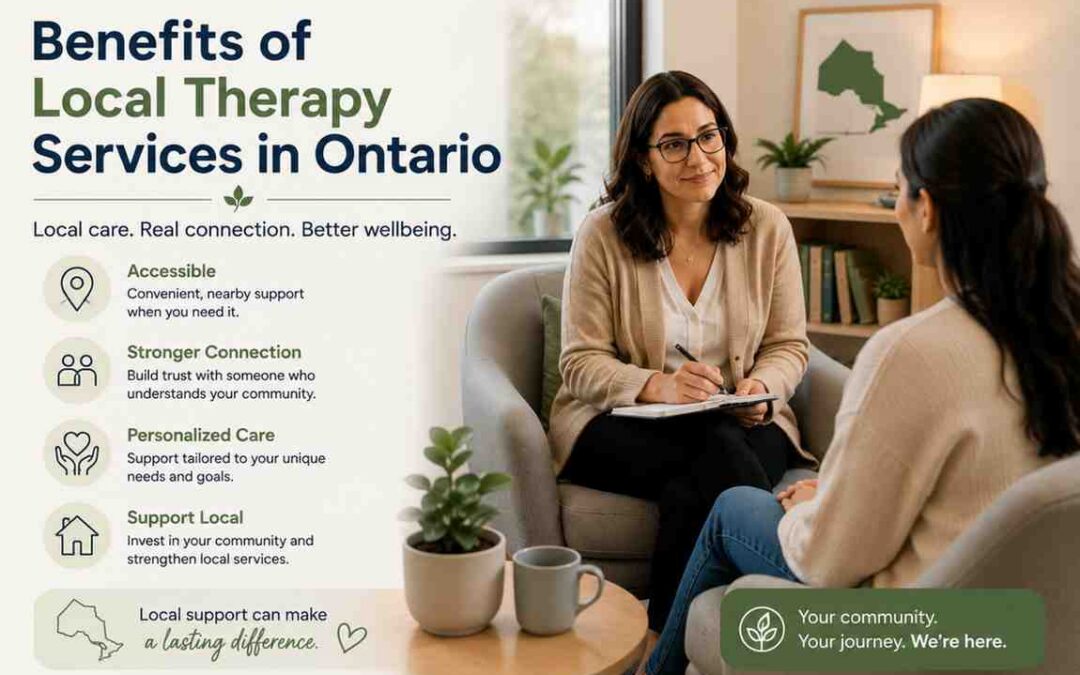
Benefits of Local Therapy Services in Ontario
Mental health support influences relationships, work performance, emotional stability, and decision-making. Many people prefer nearby counselling because local services create familiarity, convenience, and consistent care. Therapists working within Ontario communities often recognize regional pressures, cultural values, family expectations, and lifestyle patterns that affect emotional well-being. Consequently, clients may feel more comfortable discussing concerns with professionals who recognize their environment and social realities. Nearby counselling services can strengthen communication, improve attendance, and encourage long-term emotional progress for individuals and families throughout Ontario.
Why Local Therapy Creates Stronger Emotional Connections?
People often respond positively when therapy feels personal and accessible. Local counselling environments can increase comfort and emotional trust during difficult conversations.
Familiar Communities Encourage Openness
Clients frequently feel calmer when attending appointments within familiar neighbourhoods. Nearby clinics reduce uncertainty because individuals already recognize local streets, transportation routes, and community settings. Consequently, therapy may feel less intimidating during early sessions.
Local therapists may also recognize community pressures that influence emotional health. Family expectations, employment demands, educational stress, and social dynamics often vary between regions. Therefore, culturally aware communication can support a stronger emotional connection between the therapist and the client.
- Easier scheduling flexibility
- Greater sense of personal support
Familiar surroundings often encourage people to remain engaged with counselling over longer periods.
Face-to-Face Interaction Builds Trust
Direct human interaction remains valuable during emotionally sensitive discussions. In-person communication allows therapists to notice body language, facial expressions, and behavioural shifts that may not appear during virtual conversations.
Moreover, many individuals value the structure associated with travelling to appointments. Visiting a dedicated counselling office creates separation from household distractions and daily responsibilities. Consequently, clients may focus more effectively during sessions.
Convenience Improves Therapy Consistency
Regular attendance supports emotional progress. However, distance and scheduling challenges often interrupt treatment plans.
Shorter Travel Times Reduce Stress
Nearby counselling offices help clients avoid lengthy commutes, unpredictable traffic, and transportation complications. Consequently, individuals may attend sessions more consistently without feeling overwhelmed before appointments begin.
Parents managing childcare responsibilities may especially benefit from nearby therapy services. Similarly, workers balancing demanding schedules often prefer appointments close to home or employment locations.
Convenience can support therapy participation through:
- Faster travel arrangements
- Lower transportation expenses
- Easier scheduling adjustments
- Reduced appointment cancellations
- Better balance between therapy and responsibilities
Practical accessibility often increases commitment to long-term emotional care.
Flexible Scheduling Supports Busy Lifestyles
Many local counselling providers offer flexible appointment times that reflect community needs. Evening sessions, weekend availability, and shorter waiting periods may help individuals maintain treatment despite demanding schedules.
Moreover, nearby therapists can often respond more effectively during urgent situations because geographical proximity allows easier communication and faster appointment access. Consequently, clients may feel more supported during emotionally difficult periods.
Convenience does not reduce treatment quality. Instead, practical accessibility often strengthens consistency and emotional engagement throughout therapy.
Local Therapists Often Recognize Community Challenges
Communities influence emotional well-being in many ways. Financial pressure, housing concerns, educational demands, and social expectations frequently shape mental health experiences.
Regional Awareness Supports Better Communication
Therapists working within specific Ontario communities may recognize common local stressors affecting clients. Urban residents often experience different challenges than individuals living in rural regions. Consequently, therapy approaches may become more relevant and practical.
Professionals familiar with local workplaces, schools, and community expectations may communicate more effectively about environmental pressures. This familiarity can reduce misunderstandings during emotionally sensitive discussions.
Several region-specific factors may affect emotional health:
- Employment instability
- Long commuting times
- Educational pressure
- Housing affordability concerns
- Cultural adjustment challenges
Awareness of these issues may help therapists provide more personalized emotional support.
Cultural Familiarity Encourages Comfort
Ontario includes culturally diverse communities with varying traditions, communication styles, and family dynamics. Local therapists may possess a stronger awareness of cultural expectations influencing emotional well-being.
Consequently, clients may feel more comfortable discussing sensitive topics involving relationships, parenting, religion, or intergenerational conflict. Effective communication becomes easier when therapists recognize cultural context without requiring extensive explanation.
This cultural familiarity can strengthen therapeutic trust and support more meaningful emotional conversations throughout treatment.
Local Therapy Encourages Long-Term Commitment
Emotional progress usually requires consistency and patience. Therefore, accessible therapy environments often improve long-term participation.
Routine Creates Stability
Attending counselling regularly can create emotional structure during stressful periods. Local clinics simplify appointment scheduling and travel planning, making routines easier to maintain.
Moreover, consistent attendance helps therapists track behavioural patterns, emotional changes, and coping progress more accurately. Consequently, treatment plans may become more effective over time.
Reliable routines can also reduce avoidance behaviours commonly associated with emotional distress. When therapy feels manageable and accessible, clients often remain engaged for longer periods.
Strong Relationships Support Progress
Therapeutic relationships influence counselling success significantly. Familiar local environments may strengthen trust because clients feel more connected to ongoing care within their own communities.
Face-to-face interaction also supports emotional accountability. Individuals often feel more motivated to continue therapy when strong professional relationships develop gradually through regular sessions.
Several relationship-based advantages include:
- Greater emotional honesty
- Improved communication confidence
- Increased comfort discussing trauma
- Better continuity between sessions
- Stronger motivation for personal growth
Long-term emotional progress often depends on stable therapeutic relationships built through consistency and trust.
Personalized Care Becomes Easier Locally
Nearby counselling providers can often tailor treatment more effectively because they recognize community resources, regional pressures, and local support systems.
Coordination With Community Resources
Local therapists may connect clients with nearby support groups, wellness programs, crisis services, or healthcare professionals. Consequently, individuals may access broader emotional support networks more efficiently.
Community-based coordination can benefit people managing multiple responsibilities or complex emotional concerns. Therapists familiar with local services often provide more practical recommendations based on accessibility and suitability.
Additional support options may include:
- Family counselling referrals
- Youth support programs
- Addiction recovery resources
- Stress management workshops
- Educational support services
Integrated local care can strengthen emotional stability and treatment continuity.
Treatment Plans Reflect Daily Realities
Counselling strategies work more effectively when they align with real-life circumstances. Local therapists may recognize transportation limitations, workplace schedules, family structures, and financial pressures affecting clients.
Consequently, recommendations often become more realistic and achievable. Practical therapy plans can improve motivation because individuals feel capable of applying coping strategies within daily routines.
Personalized support helps clients build sustainable emotional habits rather than temporary behavioural changes.
Local Services Strengthen Family Involvement
Families often influence emotional well-being directly. Therefore, nearby therapy services may improve participation from relatives, partners, and caregivers.
Easier Participation for Family Members
Proximity makes joint appointments easier to schedule and attend. Couples counselling, parenting support, and family therapy often require coordination between multiple individuals. Local services reduce transportation complications that might otherwise prevent participation.
Consequently, family involvement may increase emotional accountability and communication improvement within households.
Several benefits of family participation include:
- Stronger conflict resolution skills
- Better emotional communication
- Improved parenting consistency
- Increased relationship stability
- Greater emotional awareness
Family engagement can strengthen therapy outcomes by supporting healthier interactions beyond counselling sessions.
Community Familiarity Supports Families
Therapists familiar with local educational systems, social services, and family structures may provide more relevant recommendations for parents and caregivers. This awareness helps counselling strategies align with realistic community expectations and available support options.
Moreover, families often feel reassured when counselling occurs within trusted local environments rather than unfamiliar distant locations.
Local Counselling Supports Youth and Students
Young people often benefit from nearby emotional support because accessibility influences consistency and parental involvement.
Schools and Therapy Can Work Together
Local therapists may communicate more effectively with educational professionals when necessary and appropriate. Consequently, students experiencing stress, social pressure, or emotional difficulties may receive more coordinated support.
Nearby appointments also reduce travel disruptions affecting school schedules and extracurricular activities. Parents may find it easier to maintain regular therapy attendance for children and teenagers.
Several common youth concerns include:
- Academic pressure
- Social anxiety
- Bullying experiences
- Family conflict
- Self-esteem challenges
Accessible counselling can support emotional resilience during important developmental stages.
Young Clients Often Prefer Familiar Environments
Children and teenagers may feel nervous entering unfamiliar settings. Local counselling offices located near home, school, or community centres can reduce emotional resistance during early appointments.
Familiar environments often encourage stronger participation because young clients feel safer discussing personal concerns. Consequently, therapists may build trust more effectively with consistent local care.
The phrase anxiety therapy in Ontario frequently appears during mental health searches because many families seek accessible counselling close to home.
Economic Benefits of Nearby Therapy Services
Local counselling services can also reduce financial strain associated with ongoing emotional care.
Reduced Indirect Expenses
Therapy costs extend beyond appointment fees alone. Transportation expenses, parking costs, childcare arrangements, and missed work hours may increase overall financial pressure. Consequently, nearby counselling options often become more affordable over time.
Shorter travel requirements may also reduce emotional exhaustion associated with lengthy commutes. This practical advantage can improve energy levels before and after appointments.
Several financial benefits include:
- Lower fuel expenses
- Reduced parking fees
- Less unpaid time away from work
- Fewer transportation complications
- Better scheduling efficiency
Affordable accessibility often supports continued participation in emotional care.
Local Access May Prevent Crisis Escalation
Consistent therapy can help individuals address emotional concerns before symptoms intensify. Accessible local services may encourage earlier intervention because appointments feel easier to arrange and maintain.
Consequently, people may seek support before emotional challenges significantly affect employment, relationships, or physical health. Early intervention often improves emotional stability and reduces long-term stress.
Balancing Privacy and Community Comfort
Some individuals hesitate to seek counselling because they worry about judgment or confidentiality. However, local therapy services can still provide strong privacy protections while maintaining personal comfort.
Professional Standards Protect Confidentiality
Licensed therapists follow strict confidentiality procedures regarding client information and session discussions. Local counselling offices typically maintain private meeting spaces, secure scheduling systems, and professional ethical standards.
Consequently, individuals can discuss personal concerns confidently without fearing unnecessary exposure within their communities.
Comfort Encourages Honest Communication
Therapy becomes more effective when clients communicate openly. Familiar environments often reduce emotional tension, making difficult conversations feel more manageable.
Moreover, nearby counselling settings may encourage individuals to seek support sooner rather than delaying treatment because of uncertainty or discomfort. Earlier emotional support can strengthen coping skills before stress becomes overwhelming.
Comparing Local and Distant Therapy Options
Distance alone does not determine counselling quality. However, nearby services often provide practical and emotional advantages that support consistency.
Local Therapy Supports Daily Integration
Clients may apply coping strategies more effectively when therapists recognize community environments and everyday routines. Consequently, emotional recommendations often feel realistic and easier to maintain.
Nearby counselling also simplifies follow-up appointments, emergency scheduling adjustments, and ongoing treatment coordination. This consistency may strengthen long-term emotional progress significantly.
Distant Services May Create Barriers
Long travel times can increase fatigue, scheduling conflicts, and transportation expenses. Consequently, some individuals postpone appointments or discontinue treatment entirely because therapy feels inconvenient.
While distant specialists may still provide valuable care, practical accessibility often influences participation more strongly than expected. Therefore, nearby counselling remains highly beneficial for many individuals across Ontario.
Conclusion
Local therapy services offer emotional accessibility, practical convenience, and a stronger community connection for individuals throughout Ontario. Nearby counselling can improve attendance, strengthen therapeutic relationships, and support realistic treatment planning based on daily circumstances. Moreover, local professionals often recognize regional pressures, cultural dynamics, and family challenges influencing emotional well-being. Consistent access to nearby care encourages long-term participation and healthier coping strategies. For many individuals and families, local counselling creates a stable foundation for emotional growth, resilience, and lasting mental wellness.
FAQs
Why do people prefer local therapy services?
Many individuals prefer nearby counselling because shorter travel times reduce stress and improve scheduling flexibility. Familiar environments may also create emotional comfort during difficult conversations. Consequently, clients often attend appointments more consistently and remain engaged with treatment longer. Local therapy can support stronger relationships between therapists and clients over time.
Can local therapy improve treatment consistency?
Yes, nearby counselling often improves consistency because clients face fewer transportation challenges and scheduling barriers. Easier access encourages regular attendance, which supports emotional progress and stronger coping skills. Moreover, practical convenience reduces appointment cancellations caused by traffic, weather conditions, or lengthy commuting responsibilities throughout busy weeks.
Do local therapists recognize community challenges better?
Therapists working within specific Ontario communities may recognize regional stressors affecting emotional well-being. Employment pressure, housing concerns, educational demands, and cultural expectations can influence mental health differently across regions. Consequently, local professionals may provide more relevant communication, realistic coping strategies, and practical emotional support tailored to community circumstances.
How does local therapy support families?
Nearby counselling services make family participation easier because relatives can attend appointments without extensive travel planning. Couples counselling, parenting support, and family therapy often require coordination between several people. Consequently, local accessibility may strengthen communication, conflict resolution, emotional accountability, and relationship stability within households over extended treatment periods.
Can students benefit from nearby counselling services?
Students often benefit from local therapy because nearby appointments reduce disruptions to school schedules and extracurricular activities. Familiar environments may also reduce anxiety during early counselling sessions. Moreover, therapists close to educational settings may better recognize academic pressure, social stress, and behavioural concerns affecting young clients emotionally.
Are local therapy services more affordable?
Nearby counselling may reduce indirect expenses such as fuel costs, parking fees, childcare arrangements, and missed work hours. Although session pricing varies, reduced transportation demands can make long-term emotional care more manageable financially. Consequently, local therapy often becomes a practical option for individuals balancing emotional support with household budgets.
Does local therapy provide enough privacy?
Licensed therapists follow professional confidentiality standards regardless of location. Local counselling offices usually maintain secure scheduling systems, private meeting rooms, and protected client records. Consequently, individuals can discuss personal concerns confidently while receiving emotional support within familiar community environments that still prioritize discretion and professional ethics carefully.
Can local therapists connect clients with community resources?
Yes, nearby counselling providers often recognize local support programs, wellness workshops, healthcare professionals, and crisis services. Consequently, therapists may connect clients with additional resources that complement emotional treatment plans. Community coordination can strengthen ongoing support networks and improve access to practical assistance during difficult emotional periods effectively.
Why does convenience matter during therapy?
Convenience supports therapy participation because accessible appointments reduce emotional and logistical stress. Long travel times, transportation difficulties, and scheduling conflicts may discourage consistent attendance. Consequently, nearby services often help clients maintain regular counselling routines, which improves emotional stability, communication progress, and long-term coping development throughout treatment significantly.
Can local therapy strengthen emotional trust?
Familiar environments and consistent face-to-face interaction often strengthen emotional trust between therapists and clients. Nearby counselling may feel less intimidating because individuals recognize the surrounding communities and routines. Consequently, clients often communicate more openly, remain engaged longer, and build stronger therapeutic relationships that support meaningful emotional progress over time.