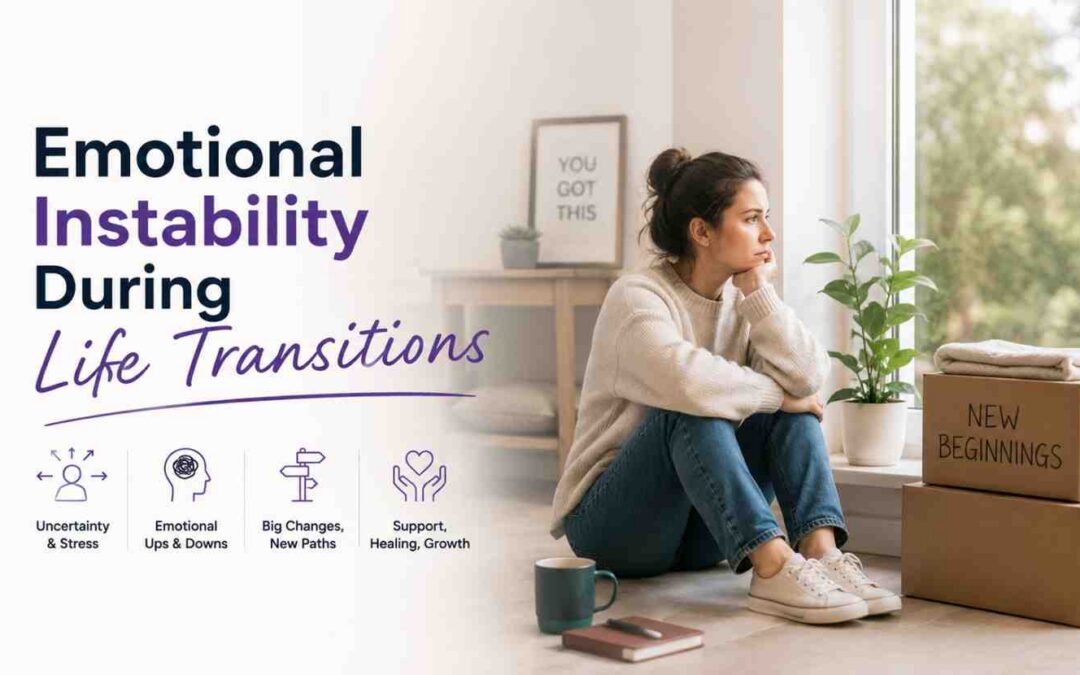
Emotional Instability During Life Transitions
Life transitions often bring emotional uncertainty, even when change appears positive from the outside. Career shifts, relocation, relationship changes, parenthood, grief, retirement, or financial challenges can disrupt emotional balance and daily routines. During these periods, many individuals experience mood swings, anxiety, frustration, confusion, or emotional exhaustion. Consequently, maintaining stability may feel increasingly difficult. Emotional adjustment requires patience, structure, self-awareness, and healthy coping strategies. With consistent support and intentional habits, individuals can regain emotional control, strengthen resilience, and navigate major transitions with greater confidence and psychological stability.
Why Life Transitions Trigger Emotional Instability
Major changes often affect more than schedules or responsibilities. Emotional reactions usually emerge because transitions disrupt familiarity, security, and personal expectations.
Change Interrupts Emotional Predictability
People naturally rely on routines, relationships, and structured environments to maintain emotional balance. When major changes occur, familiar patterns disappear suddenly, creating emotional uncertainty.
Consequently, individuals may feel overwhelmed because the mind struggles to adapt to unfamiliar circumstances quickly. Emotional reactions often intensify when multiple changes happen simultaneously.
Several transitions commonly linked to emotional instability include:
- Divorce or separation
- Career loss or retirement
- Relocation to a new environment
- Becoming a parent
- Grief after personal loss
- Financial instability
These experiences can challenge emotional resilience significantly.
Uncertainty Increases Mental Stress
Transitions frequently involve unanswered questions about the future. Consequently, people may overthink decisions, fear failure, or struggle with constant emotional tension.
Anxiety often increases because individuals cannot predict outcomes with certainty. Moreover, emotional stress may become stronger when routines and support systems change at the same time.
This uncertainty can affect concentration, sleep quality, and emotional regulation throughout daily life.
Common Emotional Reactions During Transitions
Emotional instability appears differently for each individual. However, certain emotional patterns commonly emerge during major life adjustments.
Mood Swings and Emotional Exhaustion
People navigating significant changes may experience rapid emotional shifts throughout the day. Excitement, sadness, frustration, and fear can appear within short periods.
Consequently, emotional exhaustion often develops because the mind remains in a heightened state of stress for extended periods.
Several emotional symptoms may include:
- Irritability
- Emotional numbness
- Frequent crying
- Increased frustration
- Difficulty relaxing
These reactions often reflect emotional overload rather than personal weakness.
Fear of Losing Control
Major changes frequently create fear surrounding uncertainty and future stability. Consequently, individuals may become overly focused on controlling situations, routines, or outcomes.
This pressure often increases stress because complete control rarely exists during transitions. Emotional instability may worsen when people resist adjustment instead of adapting gradually.
Recognising emotional reactions without harsh self-judgment can support healthier coping responses.
How Transitions Affect Daily Functioning
Emotional instability often influences routines, productivity, relationships, and decision-making abilities.
Reduced Motivation and Concentration
Stressful transitions can drain emotional energy significantly. Consequently, individuals may struggle with focus, productivity, or completing responsibilities consistently.
Tasks that once felt manageable may suddenly feel emotionally overwhelming.
Several daily challenges may include:
- Difficulty concentrating at work
- Increased procrastination
- Reduced motivation
- Forgetfulness
- Trouble maintaining routines
These struggles frequently improve when emotional balance becomes more stable.
Physical Health May Also Decline
Emotional stress often affects physical well-being directly. Consequently, transitions may contribute to sleep disturbances, headaches, digestive discomfort, muscle tension, or fatigue.
The body frequently responds to emotional instability through physical symptoms because stress activates ongoing nervous system tension.
Maintaining healthy routines during transitions can support both emotional and physical recovery simultaneously.
The Role of Routine During Emotional Change
Stable routines often provide emotional structure during uncertain periods. Consequently, small daily habits can create psychological comfort during transitions.
Consistency Supports Emotional Stability
Regular habits create predictability when larger life circumstances feel unstable. Structured routines help individuals regain emotional control gradually.
Helpful routines may include:
- Consistent sleep schedules
- Regular meals
- Physical exercise
- Daily planning
- Scheduled relaxation time
These habits often reduce emotional overwhelm and improve concentration.
Simple Structure Reduces Mental Chaos
Major transitions frequently create emotional confusion because familiar patterns disappear. Small routines help reduce decision fatigue and emotional unpredictability.
Consequently, individuals often feel calmer when they maintain a manageable daily structure despite larger uncertainties.
Routine does not eliminate emotional discomfort; however, it can strengthen emotional resilience significantly.
Why Emotional Suppression Makes Things Worse
Many individuals attempt to hide emotional reactions during difficult transitions. However, emotional suppression often increases psychological distress over time.
Avoiding Emotions Increases Tension
People sometimes ignore sadness, fear, frustration, or disappointment because they believe emotional control requires emotional silence. In contrast, suppressed emotions frequently intensify internally.
Consequently, emotional pressure may appear through irritability, exhaustion, anxiety, or physical symptoms later.
Several unhealthy coping behaviours may include:
- Emotional withdrawal
- Overworking constantly
- Avoiding conversations
- Excessive distraction
- Isolating socially
These behaviours may delay emotional adjustment rather than support recovery.
Healthy Emotional Expression Matters
Expressing emotions constructively often supports emotional regulation and psychological healing. Calm conversations, journaling, therapy, and mindfulness can help individuals process emotional changes safely.
Consequently, emotional awareness becomes stronger while internal tension gradually decreases.
Acknowledging emotional reactions honestly often creates healthier long-term stability.
How Relationships Influence Emotional Stability
Relationships often shape emotional well-being significantly during major transitions.
Supportive Relationships Reduce Emotional Isolation
Trusted relationships can provide encouragement, reassurance, and emotional grounding during uncertain periods. Consequently, individuals may feel less overwhelmed when supportive communication remains available.
Healthy emotional support often includes:
- Active listening
- Emotional validation
- Respectful advice
- Practical assistance
- Consistent communication
Supportive environments frequently improve emotional resilience during stressful life adjustments.
Conflict May Increase During Stress
Transitions often affect emotional patience and communication quality. Consequently, misunderstandings, irritability, or emotional withdrawal may become more common within relationships.
Stress can reduce emotional tolerance, particularly when multiple responsibilities change simultaneously.
Open communication and realistic expectations often reduce relational tension during difficult periods.
The Importance of Emotional Awareness
Recognising emotional patterns can improve coping abilities during transitions.
Awareness Helps Prevent Emotional Escalation
People often react impulsively when emotional stress feels overwhelming. Emotional awareness encourages individuals to identify triggers and reactions before situations intensify.
Consequently, people may respond more calmly rather than automatically during stressful moments.
Several signs of emotional overload may include:
- Increased irritability
- Constant overthinking
- Sleep disruption
- Emotional numbness
- Difficulty making decisions
Recognising these patterns early supports healthier emotional management.
Naming Emotions Creates Clarity
Many individuals describe emotional discomfort vaguely without identifying specific feelings. Clearly recognising sadness, fear, grief, anger, or uncertainty can improve emotional processing significantly.
Consequently, emotional reactions become easier to manage because individuals recognise what they actually feel instead of remaining emotionally confused.
Greater clarity often supports healthier coping choices and communication.
Healthy Coping Strategies During Transitions
Practical coping habits often strengthen emotional resilience during unstable periods.
Physical Activity Supports Emotional Balance
Exercise can reduce stress hormones while improving mood regulation and mental clarity. Consequently, regular movement often supports emotional recovery during major changes.
Helpful physical activities may include:
- Walking outdoors
- Stretching exercises
- Strength training
- Yoga
- Recreational sports
Consistent movement often improves both emotional and physical well-being.
Mindfulness Reduces Emotional Reactivity
Mindfulness encourages present-moment awareness instead of constant focus on future uncertainty. Consequently, individuals may feel calmer and more emotionally grounded during stressful situations.
Several mindfulness strategies include:
- Deep breathing exercises
- Body awareness practices
- Guided meditation
- Sensory observation
- Calm reflective journaling
These techniques can reduce emotional overwhelm gradually.
Managing Fear of the Unknown
Fear frequently intensifies during transitions because individuals cannot predict outcomes clearly.
Uncertainty Does Not Always Signal Danger
The mind often interprets uncertainty as a threat requiring immediate control. However, transitions naturally involve periods without complete clarity.
Consequently, emotional stress may decrease when individuals stop expecting immediate certainty regarding every decision or future outcome.
Accepting temporary uncertainty often strengthens emotional flexibility significantly.
Small Decisions Build Confidence
Large transitions can make future planning feel overwhelming. Breaking decisions into small,r manageable steps often reduces emotional pressure.
Helpful strategies may include:
- Focusing on daily priorities
- Creating short-term goals
- Avoiding excessive overplanning
- Practising patience during uncertainty
- Tracking a little progress consistently
These actions often improve confidence gradually during emotional adjustment.
How Self-Care Supports Emotional Recovery
Self-care involves intentional habits that protect emotional and physical well-being during stressful periods.
Basic Needs Influence Emotional Stability
Stress often disrupts eating habits, sleep quality, hydration, and physical activity. Consequently, emotional instability may worsen when basic health needs become neglected.
Healthy self-care practices may include:
- Maintaining balanced meals
- Prioritizing sleep
- Limiting excessive caffeine
- Taking regular breaks
- Staying socially connected
These habits strengthen emotional resilience during difficult transitions.
Rest Supports Emotional Processing
Many individuals pressure themselves to adapt immediately after a major change. However, emotional adjustment requires mental rest and psychological recovery time.
Consequently, regular relaxation becomes essential rather than optional during stressful transitions.
Rest allows the mind to process emotional experiences more effectively and calmly.
The Impact of Social Comparison During Transitions
People often compare themselves to others while navigating emotional instability. However, social comparison can increase stress unnecessarily.
Comparison Creates Unrealistic Pressure
Transitions rarely unfold identically for different individuals. Comparing emotional progress, career success, relationships, or lifestyle changes can reduce confidence significantly.
Consequently, people may feel emotionally inadequate despite making meaningful progress personally.
Several harmful effects of comparison include:
- Increased self-doubt
- Reduced motivation
- Emotional frustration
- Shame
- Anxiety about personal progress
Limiting comparison-focused thinking often supports emotional healing.
Personal Growth Requires Individual Timing
Emotional adjustment follows different timelines depending on personality, support systems, financial stability, and life circumstances.
Consequently, meaningful progress should focus on personal improvement rather than external expectations or social pressure.
Respecting individual emotional pace often strengthens long-term resilience and self-confidence.
When Professional Support Becomes Helpful
Some transitions create emotional pressure that becomes difficult to manage independently. Professional support can provide valuable emotional guidance during these periods.
Therapy Helps Process Emotional Change
Counselling often helps individuals identify emotional patterns, process grief, and develop healthier coping strategies. Consequently, therapy may improve emotional regulation significantly during unstable life periods.
Several therapeutic benefits include:
- Emotional clarity
- Stress management skills
- Improved coping strategies
- Better communication habits
- Increased emotional resilience
Professional support often reduces emotional isolation during difficult transitions.
Therapy Encourages Healthier Adjustment
People frequently expect themselves to adapt quickly after major life changes. Therapy encourages patience and realistic emotional expectations instead of perfectionism.
The phrase major life changes therapy in Ontario often appears during emotional wellness searches because many individuals seek structured support while coping with uncertainty, grief, and emotional instability during significant transitions.
Professional guidance can strengthen emotional flexibility and confidence gradually.
Building Emotional Resilience Over Time
Resilience develops through repeated emotional adjustment rather than emotional perfection.
Resilience Involves Adaptation
Emotionally resilient individuals still experience stress, sadness, and uncertainty. However, they gradually recover through healthy coping habits and balanced thinking.
Consequently, resilience often strengthens through:
- Consistent routines
- Emotional awareness
- Supportive relationships
- Healthy boundaries
- Practical coping skills
These habits improve long-term emotional stability significantly.
Growth Often Emerges Gradually
Many people expect emotional healing to happen quickly after transitions. However, personal growth usually develops through smaller behavioural and emotional changes over time.
Consequently, patience becomes essential during recovery periods. Small positive actions frequently create stronger long-term results than dramatic temporary efforts.
Recognising gradual improvement often strengthens emotional motivation and confidence.
Creating Stability During Uncertain Periods
Emotional stability rarely returns through avoidance alone. Instead, intentional habits and realistic expectations often support healthier adjustment.
Focus on What Remains Consistent
Major changes may disrupt routines, relationships, or responsibilities. However, identifying stable aspects of life can reduce emotional fear significantly.
Consistent sources of stability may include:
- Personal values
- Daily habits
- Supportive relationships
- Physical health routines
- Long-term personal goals
These anchors often provide emotional grounding during uncertainty.
Accept That Adjustment Takes Time
Transitions naturally involve emotional discomfort, confusion, and temporary instability. Consequently, emotional healing requires patience rather than constant self-criticism.
Accepting gradual progress often reduces pressure while supporting healthier emotional adaptation during major life changes.
Conclusion
Emotional instability during transitions can affect confidence, relationships, productivity, and overall well-being. Major changes often disrupt familiar routines and emotional security, creating uncertainty and psychological stress. However, healthy coping strategies, supportive relationships, emotional awareness, and structured routines can strengthen resilience during difficult periods. Moreover, accepting gradual adjustment instead of expecting immediate emotional control often improves long-term stability. With patience, self-care, and consistent support, individuals can regain emotional balance while adapting to new circumstances and responsibilities more confidently.
FAQs
Why do life transitions create emotional instability?
Major changes often disrupt routines, relationships, responsibilities, and future expectations simultaneously. Consequently, the mind struggles to adapt quickly to unfamiliar circumstances. Emotional instability frequently develops because individuals lose emotional predictability and face increased uncertainty regarding identity, security, decision-making, and future outcomes during stressful transition periods and personal adjustment.
Can positive life changes still cause emotional stress?
Yes, even positive transitions such as marriage, parenthood, promotions, or relocation can create emotional instability. Significant changes often involve new responsibilities, uncertainty, and routine disruption. Consequently, individuals may experience stress, anxiety, or emotional exhaustion despite feeling excited about certain aspects of the transition,n personally and professionally.
How can routines improve emotional stability?
Routines create consistency and predictability during uncertain periods. Regular sleep, meals, exercise, and structured daily habits help reduce emotional overwhelm significantly. Consequently, individuals often feel calmer and more emotionally grounded when maintaining manageable routines while adapting to major life changes, emotional stress, and shifting personal responsibilities consistently.
What are common signs of emotional overload?
Emotional overload may appear through irritability, constant worry, sleep problems, emotional numbness, exhaustion, difficulty concentrating, or frequent mood swings. Consequently, individuals may struggle with productivity and communication during stressful transitions. Recognising these signs early often supports healthier coping strategies and emotional regulation before stress intensifies further.
Why does emotional suppression make stress worse?
Suppressing emotions often increases internal tension because unresolved feelings continue affecting mental and physical well-being. Consequently, stress may appear through anxiety, irritability, fatigue, or emotional withdrawal later. Healthy emotional expression through conversation, therapy, journaling, or mindfulness often supports emotional processing and healthier psychological adjustment during transitions effectively.
Can emotional instability affect physical health?
Yes, emotional stress frequently affects the body directly. Individuals experiencing emotional instability may develop headaches, muscle tension, digestive discomfort, sleep disruption, or fatigue. Consequently, physical symptoms often increase when stress remains unmanaged for extended periods. Healthy routines and stress management strategies can improve both emotional and physical well-being simultaneously.
How does mindfulness help during transitions?
Mindfulness encourages present-moment awareness instead of excessive focus on uncertainty or future fear. Consequently, individuals may respond more calmly during stressful situations while reducing emotional reactivity. Breathing exercises, meditation, and reflective awareness practices often strengthen emotional regulation and improve psychological balance during difficult transitions and emotionally overwhelming experiences consistently.
When should someone consider professional therapy?
Professional support may become helpful when emotional stress significantly affects relationships, work performance, sleep quality, or daily functioning. Therapy often provides emotional clarity, healthier coping strategies, and structured guidance during major changes. Consequently, counselling can strengthen resilience and emotional stability during periods of grief, uncertainty, or overwhelming adjustment challenges.
Why is social comparison harmful during transitions?
Comparing personal progress to others often creates unrealistic emotional pressure because every transition involves unique circumstances and timelines. Consequently, comparison may increase self-doubt, frustration, and anxiety unnecessarily. Focusing on personal growth instead of external expectations usually supports healthier emotional adjustment and stronger long-term confidence during periods of significant life change.
Can emotional resilience improve over time?
Yes, emotional resilience can be strengthened gradually through healthy coping habits, supportive relationships, emotional awareness, and practical stress management. Resilience does not eliminate emotional difficulty completely; however, it improves recovery after stressful experiences. Consequently, individuals often become more emotionally adaptable and confident while navigating future transitions and challenging life circumstances.