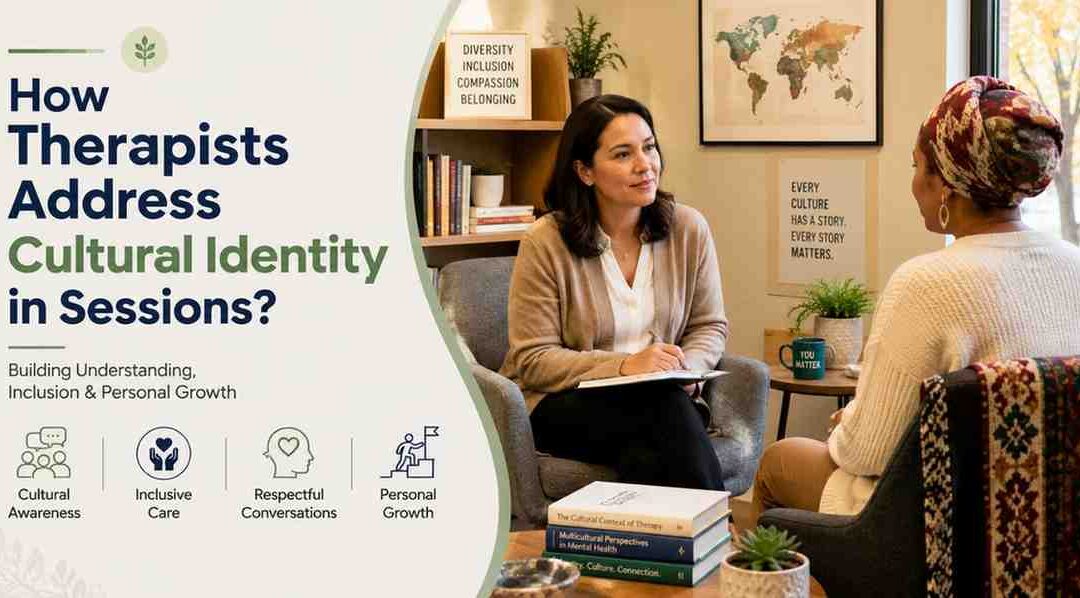
How Therapists Address Cultural Identity in Sessions?
Cultural identity influences how people view themselves, interact with others, make decisions, and respond to life’s challenges. Family traditions, language, values, religion, community experiences, and social expectations all contribute to this important aspect of identity. Because culture affects emotional well-being and personal relationships, therapists often address cultural identity as part of the therapeutic process. By recognizing cultural influences and encouraging meaningful conversations, therapy can help individuals build self-awareness, improve relationships, and navigate complex life experiences with greater clarity.
Why Cultural Identity Matters in Therapy?
Every individual enters therapy with unique experiences and perspectives.
Cultural identity often shapes those experiences in meaningful ways.
Influence on Personal Beliefs
Culture can affect beliefs regarding:
- Family roles
- Relationships
- Education
- Career expectations
- Emotional expression
- Community responsibilities
These influences often affect how people view themselves and the challenges they face.
Impact on Emotional Well-Being
Cultural experiences may contribute to confidence, belonging, stress, or conflict.
Consequently, therapists frequently consider cultural factors when helping clients address emotional concerns and personal goals.
What Therapists Mean by Cultural Identity
Cultural identity involves much more than ethnicity or nationality.
Multiple Factors Shape Identity
Cultural identity may include:
- Heritage
- Language
- Religion
- Traditions
- Family values
- Community influences
- Social experiences
Each factor contributes to how individuals perceive themselves and others.
A Unique Combination of Experiences
No two people experience culture in the same way.
Even individuals from similar backgrounds may interpret cultural values differently based on personal experiences and life circumstances.
How Cultural Identity Appears in Therapy Sessions
Cultural identity often emerges naturally during conversations.
Discussion of Family Experiences
Many clients discuss family expectations, traditions, and relationships.
These topics frequently reveal cultural influences that affect emotional well-being and decision-making.
Exploring Personal Values
Therapists often encourage conversations about values and beliefs.
Such discussions help identify how cultural influences shape perspectives on life, relationships, and personal goals.
Creating a Safe Environment for Cultural Discussions
Effective therapy requires trust and openness.
Encouraging Respectful Dialogue
Therapists strive to create an environment where clients feel comfortable discussing cultural experiences without fear of judgment.
This atmosphere supports honest communication and deeper self-reflection.
Validating Individual Experiences
People often experience culture differently.
Therapists acknowledge these differences and encourage clients to share perspectives that reflect their unique experiences and backgrounds.
How Therapists Learn About a Client’s Cultural Background
Therapists often gather information gradually rather than making assumptions.
Asking Open-Ended Questions
Questions may focus on:
- Family traditions
- Community influences
- Important values
- Cultural expectations
- Personal experiences
These conversations help therapists gain meaningful insight.
Avoiding Assumptions
Cultural identity varies significantly between individuals.
Rather than relying on stereotypes, therapists focus on each client’s unique perspective and lived experiences.
The Role of Self-Awareness in Cultural Identity Work
Self-awareness often becomes a central focus during therapy.
Examining Cultural Influences
Therapists may encourage clients to reflect on:
- Important beliefs
- Family expectations
- Personal values
- Community influences
This process helps identify factors that shape thoughts and behaviors.
Recognizing Internal Conflicts
Some individuals experience tension between personal goals and cultural expectations.
Therapy provides an opportunity to examine these conflicts thoughtfully and respectfully.
Addressing Cultural Identity and Family Expectations
Family expectations frequently influence emotional well-being.
Understanding Family Dynamics
Therapists often discuss how family values affect:
- Career decisions
- Relationship choices
- Educational goals
- Personal responsibilities
These conversations can reveal important cultural influences.
Balancing Individual and Family Needs
Many clients seek ways to honor family traditions while pursuing personal goals.
Therapy helps individuals evaluate options and make decisions that align with their values.
How Therapists Address Cultural Identity and Relationships
Culture often shapes relationship expectations.
Exploring Communication Patterns
Different cultural backgrounds may encourage different communication styles.
Therapists help clients examine how these patterns influence relationships with:
- Parents
- Partners
- Children
- Friends
- Community members
Greater awareness can improve communication and reduce misunderstandings.
Examining Relationship Expectations
Cultural beliefs may affect expectations regarding commitment, family involvement, boundaries, and conflict resolution.
Therapy provides space to discuss these influences openly.
Cultural Identity and Emotional Expression
Culture frequently affects how people express emotions.
Different Approaches to Emotions
Some cultural traditions encourage open emotional expression.
Others emphasize emotional restraint and self-control.
Neither approach is inherently right or wrong.
However, these differences can influence emotional well-being and relationships.
Helping Clients Express Emotions Comfortably
Therapists help clients identify communication methods that feel authentic while respecting cultural values and personal preferences.
Addressing Identity Conflicts
Identity conflicts often emerge when individuals feel pulled between different influences.
Multiple Cultural Influences
Many people identify with more than one culture.
Examples may include:
- Multicultural families
- Immigration experiences
- Diverse communities
- Mixed cultural backgrounds
These influences can create both opportunities and challenges.
Working Through Internal Tension
Therapists help clients examine conflicting expectations and identify approaches that support emotional well-being and personal authenticity.
How Therapists Address Cultural Identity and Belonging?
A sense of belonging plays an important role in emotional well-being.
Exploring Feelings of Connection
Many individuals evaluate their identity through family, community, traditions, and social experiences.
Therapists often encourage discussions about:
- Community involvement
- Family relationships
- Cultural traditions
- Personal values
- Social connections
These conversations help clients identify sources of support and belonging.
Addressing Feelings of Disconnection
Some individuals feel disconnected from their cultural background or community.
Therapy creates a space to discuss these feelings openly and examine their impact on self-esteem, relationships, and emotional health.
Working With Cultural Differences in Multicultural Families
Multicultural families often bring together diverse beliefs, traditions, and expectations.
Recognizing Different Perspectives
Family members may have different views regarding:
- Parenting styles
- Communication
- Religion
- Family roles
- Cultural traditions
Therapists help families discuss these differences respectfully.
Building Mutual Understanding
Open communication often helps family members appreciate different cultural perspectives.
Consequently, relationships can become stronger and more collaborative.
How Therapists Address Generational Cultural Differences
Generational differences frequently appear in therapy sessions.
Examining Changing Values
Older and younger generations sometimes hold different beliefs about:
- Education
- Career choices
- Relationships
- Independence
- Family obligations
These differences may create conflict within families.
Encouraging Respectful Conversations
Therapists help clients communicate concerns constructively while acknowledging cultural influences on both perspectives.
This process often reduces tension and improves understanding.
The Role of Language in Cultural Identity Discussions
Language often carries deep emotional and cultural significance.
Language as a Cultural Connection
For many individuals, language represents:
- Family history
- Cultural heritage
- Community identity
- Personal belonging
Therapists may discuss language experiences when they influence emotional well-being.
Addressing Language-Related Challenges
Language differences between generations or cultural groups may affect communication and relationships.
Therapy can help individuals navigate these situations more effectively.
How Therapists Help Clients Clarify Personal Values
Values often shape major life decisions.
Identifying Core Values
Therapists may encourage clients to reflect on:
- Personal beliefs
- Cultural influences
- Family expectations
- Future goals
This reflection helps clarify priorities.
Aligning Decisions With Values
When people identify values clearly, they often feel more confident about important choices.
Consequently, therapy frequently focuses on helping clients make decisions that align with both personal and cultural priorities.
Addressing Cultural Identity and Self-Esteem
Cultural experiences can influence self-perception significantly.
Examining Sources of Self-Worth
Therapists may discuss factors such as:
- Family messages
- Community expectations
- Social experiences
- Cultural values
These influences often affect confidence and self-esteem.
Promoting a Balanced Self-View
Therapy helps individuals recognize strengths while addressing self-critical beliefs.
This balanced perspective often improves emotional well-being.
How Therapists Navigate Cultural Identity and Social Pressures
Social expectations can create significant stress.
Recognizing External Pressures
Individuals may feel pressure related to:
- Career success
- Family responsibilities
- Cultural traditions
- Social acceptance
Therapists help clients identify these pressures and evaluate their impact.
Supporting Healthy Boundaries
Therapy often focuses on boundary-setting skills that allow individuals to maintain important relationships while protecting emotional well-being.
Addressing Cultural Identity During Life Transitions
Major life changes often raise questions about identity.
Transitions That May Trigger Reflection
Examples include:
- Marriage
- Parenthood
- Career changes
- Relocation
- Immigration
These events often encourage individuals to reevaluate cultural values and personal priorities.
Supporting Adaptation
Therapists help clients navigate change while maintaining a sense of continuity and self-awareness.
This support often reduces uncertainty and stress.
How Therapists Promote Cultural Sensitivity
Cultural sensitivity remains essential for effective therapy.
Recognizing Individual Differences
Therapists acknowledge that culture affects people differently.
Rather than making assumptions, they encourage clients to define their own experiences and perspectives.
Creating Collaborative Conversations
Therapy works best when clients feel respected and heard.
Therefore, therapists often use collaborative discussions to ensure cultural concerns receive thoughtful attention.
The Importance of Identity Integration
Identity integration involves bringing different aspects of identity together.
Recognizing Multiple Influences
Many individuals balance influences from:
- Family culture
- Community culture
- Workplace environments
- Personal values
- Social experiences
Therapists help clients examine how these influences interact.
Reducing Internal Conflict
When different aspects of identity seem incompatible, emotional stress may increase.
Therapy supports efforts to create greater harmony between competing influences and expectations.
How Cultural Identity Work Supports Personal Growth
Identity-focused conversations often contribute to meaningful personal development.
Increasing Self-Awareness
Greater awareness helps individuals recognize:
- Important values
- Cultural influences
- Personal goals
- Relationship patterns
This insight often improves decision-making.
Strengthening Confidence
As people gain clarity regarding their identity, confidence frequently grows.
They often become better equipped to make choices that reflect their authentic values and priorities.
How Therapists Address Cultural Identity and Community Experiences
Community experiences often shape cultural identity in meaningful ways.
Examining Community Influences
Therapists may encourage discussions about:
- Community values
- Social expectations
- Cultural traditions
- Shared experiences
- Support networks
These conversations help clients identify influences that affect emotional well-being and personal development.
Recognizing Sources of Strength
Communities often provide valuable resources such as encouragement, belonging, mentorship, and emotional support.
Therapy helps clients recognize these strengths and incorporate them into their personal growth journey.
Addressing Cultural Identity and Personal Goals
Personal goals do not exist separately from cultural influences.
Evaluating Goal Alignment
Therapists often help clients examine whether goals align with:
- Personal values
- Family expectations
- Cultural traditions
- Long-term aspirations
This evaluation supports more intentional decision-making.
Managing Conflicting Priorities
At times, individuals face competing priorities between personal ambitions and cultural expectations.
Therapy encourages thoughtful reflection and balanced decision-making rather than impulsive reactions.
How Therapy Supports Cultural Adaptation
Adaptation often becomes necessary when individuals encounter new environments.
Navigating Cultural Change
People may experience cultural transitions due to:
- Immigration
- Education
- Employment opportunities
- Marriage
- Relocation
These transitions can create uncertainty and emotional stress.
Maintaining Identity During Change
Therapists help clients adapt to new environments without feeling pressured to abandon important cultural values or traditions.
This balanced approach often supports emotional stability.
Common Challenges Discussed During Cultural Identity Sessions
Cultural identity work frequently addresses a variety of concerns.
Frequently Discussed Topics
Clients may discuss:
- Family expectations
- Generational conflicts
- Relationship challenges
- Cultural belonging
- Language-related concerns
- Community pressures
- Identity confusion
- Social acceptance
Addressing these issues can improve clarity and emotional well-being.
Building Practical Solutions
Therapy focuses not only on discussion but also on action.
Clients often develop communication strategies, coping skills, and decision-making tools that support healthier outcomes.
The Benefits of Addressing Cultural Identity in Therapy
Identity-focused work often produces meaningful benefits.
Improved Self-Awareness
Clients frequently gain greater awareness of:
- Personal beliefs
- Cultural influences
- Emotional patterns
- Relationship dynamics
This awareness often supports healthier choices.
Stronger Relationships
As communication improves, relationships frequently become more respectful and supportive.
Family members often gain a better appreciation for differing perspectives.
Greater Emotional Resilience
Individuals who develop a clearer sense of identity often feel more confident navigating challenges and life transitions.
This resilience can support long-term emotional well-being.
How Therapists Measure Progress
Progress often appears gradually throughout the therapeutic process.
Changes in Self-Perception
Positive signs may include:
- Greater confidence
- Increased self-awareness
- Improved decision-making
- Reduced internal conflict
These changes often indicate meaningful growth.
Improvements in Relationships
Many clients notice:
- Better communication
- Reduced family tension
- Stronger boundaries
- Greater empathy
Such improvements frequently reflect successful identity-focused work.
Why Cultural Identity Conversations Matter
Cultural identity influences many areas of life.
Connecting Past and Present
Therapy helps clients examine how cultural experiences shape current beliefs, behaviors, and relationships.
This perspective often provides valuable insight into personal challenges and strengths.
Supporting Authentic Living
As individuals gain clarity regarding cultural influences and personal values, they often feel more capable of making decisions that reflect who they are and what matters most to them.
Key Ways Therapists Address Cultural Identity in Sessions
Therapists commonly address cultural identity by helping clients:
- Reflect on cultural values
- Discuss family expectations
- Examine communication patterns
- Address generational differences
- Navigate multicultural experiences
- Strengthen self-awareness
- Clarify personal goals
- Improve relationships
- Build emotional resilience
- Resolve identity conflicts
- Develop healthy boundaries
- Increase confidence
- Support cultural adaptation
- Enhance decision-making
- Promote authentic self-expression
Together, these approaches help individuals develop a stronger and more balanced sense of self.
Conclusion
Therapists address cultural identity by creating a respectful space where clients can examine values, traditions, family expectations, communication patterns, and personal experiences. Through thoughtful discussions and self-reflection, individuals often gain greater clarity regarding the cultural influences that shape their lives. Moreover, cultural identity work can improve relationships, strengthen confidence, reduce internal conflict, and support healthier decision-making. By acknowledging both cultural heritage and personal values, therapy helps individuals build a more balanced sense of self and navigate life’s challenges with greater awareness and resilience.
FAQs
1. What is cultural identity in therapy?
Cultural identity in therapy refers to the beliefs, traditions, values, language, heritage, and social experiences that influence how a person views themselves and interacts with others. Therapists often discuss these factors to support self-awareness and emotional well-being.
2. Why do therapists discuss cultural identity?
Therapists discuss cultural identity because it influences relationships, communication styles, values, self-esteem, and decision-making. Addressing these influences helps clients gain insight into challenges, strengths, and personal goals.
3. Can cultural identity affect mental health?
Yes. Cultural experiences can influence belonging, confidence, stress levels, family relationships, and emotional well-being. Therapy provides a supportive environment where individuals can examine these influences and develop healthier coping strategies.
4. How do therapists learn about a client’s cultural background?
Therapists typically use open-ended questions and respectful conversations. They encourage clients to share experiences, traditions, values, and perspectives rather than relying on assumptions or stereotypes.
5. What cultural identity issues are commonly discussed in therapy?
Common topics include family expectations, generational conflicts, communication styles, identity confusion, cultural adaptation, language differences, relationship concerns, and balancing personal goals with cultural values.
6. Can therapy help with conflicts between personal values and cultural expectations?
Yes. Therapy encourages thoughtful reflection and decision-making. Clients can examine competing priorities, identify core values, and develop approaches that respect both personal goals and important cultural influences.
7. How does therapy support multicultural individuals?
Therapy helps multicultural individuals examine the influence of multiple cultural backgrounds, navigate identity-related challenges, and create greater harmony between different aspects of their experiences and values.
8. Why is cultural sensitivity important in therapy?
Cultural sensitivity helps ensure that clients feel respected and heard. It encourages meaningful conversations while reducing the risk of assumptions, misunderstandings, or ineffective treatment approaches.
9. Can cultural identity work improve family relationships?
Yes. By improving communication, increasing empathy, and addressing expectations, cultural identity discussions often strengthen family relationships and reduce conflict between family members.
10. What are the benefits of addressing cultural identity in therapy?
Benefits may include improved self-awareness, stronger confidence, healthier relationships, better communication, greater emotional resilience, clearer decision-making, and a stronger sense of belonging and authenticity.