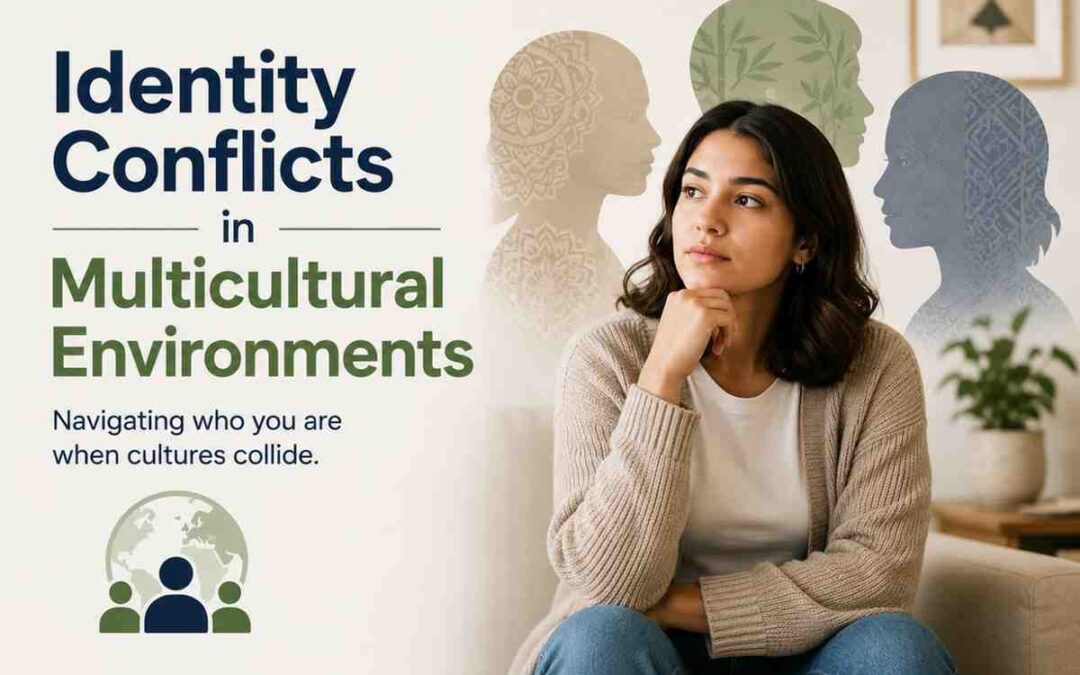
Identity Conflicts in Multicultural Environments
Identity conflicts affect millions of people living within culturally diverse societies. Different traditions, languages, beliefs, and expectations often shape personal behavior and social interaction. Consequently, many individuals struggle to balance family heritage with social pressures from schools, workplaces, and communities. Emotional stress, social exclusion, and confusion frequently emerge when conflicting values compete for attention. However, identity conflict does not always create negative outcomes. Many people eventually build stronger self-awareness, improved communication skills, and deeper cultural appreciation through these experiences. A closer look at multicultural identity challenges reveals how social structures, personal choices, and community attitudes influence emotional stability and belonging.
Cultural Diversity and Identity Formation
Cultural identity develops through language, customs, values, religion, family traditions, and social interaction. From childhood onward, people absorb expectations from parents, relatives, schools, and society. Consequently, identity becomes deeply connected to community acceptance and emotional security.
Multicultural environments introduce additional influences into daily life. Children from immigrant families often balance household traditions with mainstream social expectations. Moreover, social media, entertainment, and education systems regularly shape attitudes about appearance, behavior, and success. These competing influences may create uncertainty regarding personal identity and cultural loyalty.
Identity formation rarely follows a simple path. Some individuals embrace multiple cultural influences comfortably, while others experience emotional conflict and social pressure. In contrast, rigid social expectations frequently intensify confusion. Many people fear judgment from relatives or peers when cultural values differ significantly.
Several factors commonly influence identity development within multicultural communities:
- Family traditions and religious practices
- Language preferences and communication styles
- Educational environments and peer groups
- Media representation and cultural stereotypes
- Economic status and social opportunities
- Immigration experiences and generational differences
Each factor contributes to personal identity differently. Consequently, cultural identity often changes gradually through life experiences, relationships, and social environments.
Common Causes of Identity Conflicts
Family Expectations and Social Pressure
Family expectations strongly influence behavior in multicultural households. Parents frequently encourage children to preserve traditions, cultural customs, and community values. However, younger generations often adopt attitudes from schools, workplaces, and friendships outside the home.
Conflict emerges when personal goals clash with family expectations. For example, career choices, dating preferences, gender roles, or religious practices may create emotional tension. Consequently, individuals may feel trapped between loyalty to family and personal independence.
Moreover, some communities place strong emphasis on collective reputation. Social judgment from relatives or cultural groups can increase guilt, anxiety, and isolation. In contrast, individuals seeking greater independence may feel rejected.
Language and Communication Barriers
Language shapes identity, belonging, and emotional expression. People who speak multiple languages often adjust their communication styles depending on social settings. Consequently, language differences sometimes create emotional distance between generations.
Children raised in multicultural homes may prefer the dominant language used in schools or workplaces. However, older relatives may expect communication through traditional languages. Miscommunication frequently creates frustration, embarrassment, or emotional disconnection.
Furthermore, accents and pronunciation sometimes influence social treatment. People may face discrimination or unfair assumptions based on speech patterns. Such experiences can weaken confidence and increase feelings of exclusion.
Discrimination and Cultural Stereotypes
Discrimination remains one of the most damaging causes of identity conflict. Negative stereotypes often pressure individuals to suppress cultural practices or modify personal behavior. Consequently, many people feel forced to change their appearance, speech, or traditions to gain acceptance.
Racial profiling, workplace discrimination, and social exclusion contribute to emotional stress. Moreover, repeated exposure to prejudice can reduce self-esteem and increase social anxiety. Some individuals gradually disconnect from their cultural background to avoid criticism or judgment.
However, rejection from mainstream society may also intensify attachment to cultural identity. In certain cases, people respond to discrimination by strengthening cultural pride and community involvement.
Psychological Effects of Identity Conflict
Identity conflict can significantly affect emotional well-being. Persistent tension between cultural expectations and personal values often creates stress, anxiety, and emotional exhaustion. Consequently, individuals may struggle with confidence, decision-making, and relationship stability.
Many people experience feelings of guilt when attempting to satisfy competing cultural demands. Moreover, fear of disappointing family members or social groups may create chronic emotional pressure. Such stress sometimes contributes to depression, loneliness, or emotional withdrawal.
Common emotional effects include:
- Anxiety related to social acceptance
- Fear of rejection from family or peers
- Low self-esteem and self-doubt
- Emotional exhaustion from constant adaptation
- Difficulty expressing authentic opinions
- Isolation caused by cultural confusion
Mental health professionals increasingly recognize the emotional complexity connected to multicultural identity challenges. Consequently, cultural identity therapy in Ontario supports individuals facing emotional stress linked to social belonging, family expectations, and cultural adjustment.
Identity Conflicts Within Educational Settings
Schools strongly influence identity development because students spend substantial time within educational environments. Multicultural classrooms expose children and teenagers to diverse customs, values, and communication styles. Consequently, students often compare their cultural backgrounds with those of classmates.
Some students experience pressure to fit into dominant social groups. Therefore, they may avoid speaking traditional languages, discussing family customs, or participating in cultural activities. Over time, distancing from personal heritage can create emotional confusion and insecurity.
Bullying and exclusion further intensify identity conflict. Students who appear different because of clothing, religion, food, or accents sometimes face social rejection. Moreover, insensitive comments from peers may create long-term emotional harm.
Educational institutions can reduce identity conflicts through inclusive practices such as:
- Diverse classroom materials and cultural representation
- Anti-discrimination policies and respectful communication
- Multilingual support programs for students and parents
- Cultural events that encourage participation and awareness
- Counseling services addressing emotional and cultural concerns
Supportive educational spaces encourage confidence, empathy, and mutual respect among students from different backgrounds.
Workplace Challenges in Multicultural Environments
Modern workplaces often include employees from various cultural and linguistic backgrounds. Although diversity may strengthen creativity and collaboration, cultural confusion occasionally creates tension. Consequently, workers sometimes feel pressure to suppress aspects of their identity to fit professional expectations.
Communication styles frequently differ across cultures. Some employees value direct communication, while others prefer indirect or relationship-focused interaction. Misinterpretation may affect teamwork, performance evaluations, and professional relationships.
Moreover, workplace discrimination remains a serious concern. Employees may encounter unequal treatment related to ethnicity, religion, clothing, or accents. Such experiences often reduce job satisfaction and emotional well-being.
Several workplace conditions commonly contribute to identity conflict:
- Lack of cultural awareness among management
- Limited representation within leadership positions
- Pressure to conform to the dominant workplace culture
- Stereotyping during hiring or promotion decisions
- Exclusion from informal social networks
Inclusive leadership practices improve workplace harmony and employee confidence. Consequently, organizations benefit from stronger collaboration, higher productivity, and improved retention.
Social Media and Cultural Identity
Social media platforms significantly influence identity expression within multicultural societies. People regularly share opinions, traditions, language, and lifestyle choices through digital communication. Consequently, online interaction often shapes public perceptions of cultural identity.
Positive representation can strengthen cultural pride and community connection. Many individuals use online spaces to celebrate traditions, discuss social issues, and maintain relationships across countries. Moreover, digital communities provide emotional support for people experiencing isolation.
However, social media also increases exposure to criticism, stereotypes, and unrealistic expectations. Constant comparison with others may weaken self-confidence and intensify pressure to fit social trends. Furthermore, online hostility toward cultural groups often contributes to anxiety and emotional distress.
Balanced digital engagement helps reduce emotional strain. Individuals who maintain healthy boundaries online frequently experience improved emotional stability and stronger self-acceptance.
Building Healthy Multicultural Identities
Developing a stable multicultural identity requires emotional resilience, communication skills, and supportive relationships. Consequently, individuals benefit from environments that encourage respect for multiple cultural perspectives.
Self-reflection plays an important role in identity development. People who examine personal values, traditions, and goals often gain stronger emotional clarity. Moreover, open communication with family members may reduce confusion and conflict.
Healthy multicultural identity development often includes:
- Maintaining meaningful cultural traditions
- Building friendships across different communities
- Encouraging respectful family discussions
- Practicing emotional awareness and stress management
- Seeking supportive counseling when needed
- Participating in cultural and community activities
Communities also influence identity stability. Inclusive social environments encourage belonging, confidence, and emotional safety. In contrast, exclusion and discrimination often deepen insecurity and social division.
The Role of Community Support
Community support reduces emotional isolation and strengthens cultural confidence. Cultural organizations, schools, counseling services, and social groups frequently provide spaces where individuals feel accepted and respected.
Supportive communities encourage open discussion regarding cultural differences, generational conflict, and emotional stress. Consequently, people often feel less alone while navigating identity-related challenges.
Religious centers, mentorship programs, and multicultural events may also strengthen social connections. Moreover, community activities encourage dialogue between cultural groups and reduce harmful stereotypes.
Several community strategies effectively support multicultural harmony:
- Promoting inclusive public policies
- Encouraging respectful intercultural communication
- Supporting accessible mental health services
- Celebrating cultural traditions publicly
- Addressing discrimination through education
Strong communities create environments where individuals can maintain cultural heritage while participating fully within broader society.
Balancing Heritage and Personal Independence
Balancing cultural heritage with personal independence requires patience, communication, and emotional flexibility. Many individuals feel pressure to satisfy family expectations while pursuing personal ambitions. Consequently, internal conflict may develop when traditional customs differ from personal beliefs or social experiences.
Healthy balance begins with honest communication. Family members who discuss expectations openly often reduce emotional tension and prevent confusion. Moreover, respectful conversations encourage empathy between generations with different cultural experiences. Silence frequently increases frustration because unresolved concerns continue affecting relationships and emotional well-being.
Setting boundaries also supports emotional stability. Individuals who express personal values clearly often maintain healthier relationships within multicultural families. However, respectful boundary setting does not require rejection of cultural traditions. Instead, balanced decision-making allows people to honor heritage while protecting emotional needs and long-term goals.
Several practical habits encourage a stronger identity balance:
- Reflecting regularly on personal values and priorities
- Maintaining supportive friendships across cultures
- Participating in cultural traditions voluntarily
- Avoiding environments that encourage shame or exclusion
- Practicing stress management through healthy routines
- Seeking professional support during periods of emotional strain
Communities also shape personal confidence. Inclusive neighborhoods, schools, and workplaces encourage individuals to express their identity without fear of judgment. In contrast, hostile environments often pressure people to hide important aspects of their cultural background. Consequently, public acceptance strongly influences emotional security and social participation.
Parents and community leaders play important roles in reducing identity conflict among younger generations. Encouraging curiosity, respectful dialogue, and cultural flexibility often creates healthier family relationships. Moreover, children who receive emotional support generally develop stronger confidence while interacting with diverse social groups.
Personal identity continues evolving throughout life. Career changes, migration, relationships, and education frequently influence values and social perspectives. Consequently, multicultural identity should remain flexible rather than rigid. People who accept personal growth usually experience stronger emotional balance and reduced social anxiety.
Successful multicultural societies encourage inclusion without demanding cultural uniformity. Respect for diverse traditions, languages, and beliefs strengthens social harmony and mutual trust. Furthermore, communities benefit when individuals feel comfortable expressing authentic identity without fear of exclusion or discrimination.
Furthermore, educational programs that encourage intercultural dialogue often reduce prejudice and strengthen cooperation between communities. Open discussion regarding identity, migration, and belonging helps individuals recognize shared human experiences. Consequently, societies that encourage empathy and fairness experience stronger social unity, healthier relationships, and reduced cultural hostility.
Conclusion
Identity conflicts within multicultural environments involve emotional, social, and cultural challenges that affect individuals across all age groups. Family expectations, discrimination, language barriers, and social pressure frequently influence personal identity and emotional well-being. However, supportive communities, inclusive institutions, and respectful communication encourage stronger confidence and healthier cultural balance. People who receive emotional support and social acceptance often develop resilient identities that honor both personal heritage and broader social participation. Multicultural societies benefit greatly when diversity receives respect, empathy, and equal opportunity across education, workplaces, and community life.
FAQs
What causes identity conflicts in multicultural environments?
Identity conflicts usually emerge when personal values, family expectations, and social influences compete. Consequently, individuals may struggle to balance cultural traditions with mainstream social norms. Language differences, discrimination, and generational gaps also contribute significantly to emotional tension and confusion regarding personal belonging and social acceptance.
How do multicultural environments affect mental health?
Multicultural environments may create emotional stress when individuals feel pressure to adapt constantly. Moreover, discrimination, exclusion, and cultural confusion often increase anxiety and self-doubt. However, supportive relationships and inclusive communities frequently improve emotional resilience, confidence, and social connection for people navigating multiple cultural influences.
Why do younger generations experience identity conflicts more often?
Younger generations frequently interact with diverse social groups through education, media, and workplaces. Consequently, they often adopt values that differ from traditional family expectations. This contrast may create disagreement regarding lifestyle choices, relationships, religion, or career goals, leading to emotional stress and cultural uncertainty.
Can identity conflict affect academic performance?
Yes, emotional stress linked to identity conflict may reduce concentration, motivation, and confidence within educational settings. Students experiencing bullying or cultural exclusion sometimes avoid participation or social interaction. Consequently, supportive schools and culturally respectful learning environments play important roles in improving academic engagement and emotional well-being.
How does discrimination influence cultural identity?
Discrimination may weaken confidence and create pressure to hide cultural practices or language preferences. Moreover, repeated exposure to stereotypes often increases emotional distress and social withdrawal. In contrast, some individuals respond by strengthening cultural pride and becoming more active within supportive cultural communities and advocacy groups.
What role does language play in identity formation?
Language strongly influences communication, emotional expression, and social belonging. People often connect deeply with cultural heritage through traditional languages and family interaction. Consequently, language barriers or social criticism regarding accents may create insecurity, generational tension, and emotional distance within multicultural families and communities.
How can workplaces reduce identity conflicts?
Organizations can reduce identity conflict by encouraging inclusive communication, fair hiring practices, and cultural awareness training. Moreover, respectful leadership and diverse representation improve employee confidence and teamwork. Supportive workplace policies also help employees feel valued without suppressing important aspects of their cultural identity.
Why is community support important for multicultural identity?
Supportive communities reduce isolation and encourage emotional security. Cultural organizations, counseling services, and social programs often provide safe spaces for discussion and connection. Consequently, individuals gain confidence while balancing multiple cultural influences and maintaining meaningful relationships with both family and broader society.
Can social media increase identity-related stress?
Yes, social media sometimes increases pressure to conform to unrealistic cultural or social expectations. Constant comparison, online criticism, and exposure to stereotypes may weaken self-esteem. However, positive online communities can also strengthen cultural pride, emotional support, and social connection among individuals from diverse backgrounds.
How can individuals build stronger multicultural identities?
People often build stronger multicultural identities through self-reflection, supportive relationships, and open communication. Maintaining cultural traditions while participating confidently within broader society also improves emotional balance. Moreover, respectful dialogue, community involvement, and emotional support help individuals manage conflict and strengthen personal identity.